3 April 2026 · Samashan Pillay
Insurance Is Meant to Protect You. Here's How to Make Sure It Does.
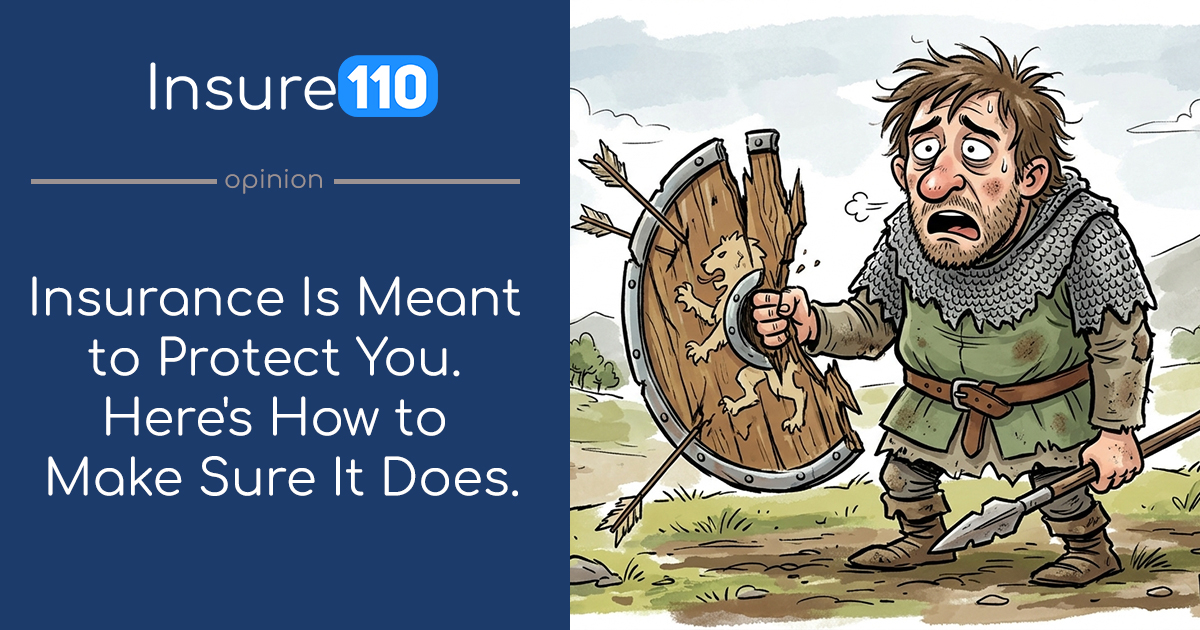
You're paying every month. But are you actually covered?
Insurance Is Meant to Protect You. Here's How to Make Sure It Does.
You're paying every month. But are you actually covered?
Let's start with a simple truth: insurance exists to protect you. That's the whole premise. You pay a premium every month, and in return, when something goes wrong - your car gets stolen, your house floods, your phone gets smashed - the insurer steps in and makes it right.
Simple, right?
Except here's what nobody really tells you upfront: that protection comes with conditions. A lot of them. And if you're not on top of them, you could find yourself in the worst possible situation - something goes wrong, you go to claim, and you get told you're not covered.
The Obligations Nobody Talks About
Your policy is a two-way contract. You already know your part - pay your premium on time, every month. But there's more to it than that.
Did you renovate your house and forget to tell your insurer? That could void your cover. Did you start using your personal car for work trips? That's a material change. Got a new driver in the household? Tell them. Change jobs? Depending on your policy, that might matter too.
These are called material changes - changes in your circumstances that affect your risk profile. Insurers build their pricing and cover assumptions around the information they have at inception. If that information changes and you don't update them, you've technically breached your obligations under the policy. And they will use that.
The fine print isn't there to protect you. It's there to protect them.
Missing Payments: Don't Do It
I know life happens. But missing a payment - even one - puts you in a dangerous position. Most insurers will give you a grace period, sure. But the moment that cover lapses, you are unprotected. No cover, no claim, no argument.
And here's the part that should really make you think: the insurer doesn't lose when you lapse. They actually win.
A policyholder who cancels or lapses is one less claim risk on the book. The insurer collected your premiums for however long you were paying, and now they're off the hook for your future claims too. From their perspective, a lapsed or switched policy isn't a failure - it's a clean exit.
From my time in the industry, most short-term policies don't last much more than a year or two before they're switched or lapsed. That's not a coincidence. It's a pattern the industry knows about, tracks, and - quietly - profits from.
So What Can You Do?
Here's the honest answer: stay engaged with your policy. Not obsessively, but intentionally.
- Read the obligations section. Yes, actually read it. It's usually the most important part of the document and the least read.
- Update your insurer when your circumstances change. Don't assume it doesn't matter. It does.
- Set a debit order and leave it. The easiest way to lapse a policy is to forget about it. Automate the payment and remove the risk.
- Review your policy once a year. Your life changes. Your cover should too.
- If something seems vague or unclear - ask. In writing. Get the answer in writing too. "My broker told me I was covered" doesn't hold up when it's your word against theirs.
The policy you have is only as good as the cover it actually provides when you need it. Don't find out at claim time that you've been paying for something that was never going to pay out.
You bought insurance to protect yourself. Make sure it actually does.
And if you're unsure of what that big document means, let Insure110's policy analyser take care of that for you!